Dropshipping tips: How to Build a Profitable Business
- Dropshipping can be profitable, but most stores fail because they skip the fundamentals.
- Pick a specific niche you can actually compete in.
- Vet your suppliers carefully.
- Include excellent product images, write original product descriptions, know your margins before scaling, and build marketing channels beyond paid ads.
- Good customer service and small-scale testing before spending big are what separate stores that last from ones that don't.
Dropshipping sounds simple on paper. You sell products online, a supplier ships them for you, and you keep the margin. No warehouse, no inventory headaches. But anyone who's tried it knows the reality is a bit more complicated than that.
The truth is, most dropshipping stores fail within the first year — not because the model is broken, but because people skip the basics. This post covers what actually matters if you want to build something that lasts.
1. Pick a Niche You Can Actually Compete In
Everyone says "find a niche," but the real question is: can you compete in it?
Broad niches like "fitness" or "home decor" are saturated. You'll spend a lot of money on ads just to break through the noise. Instead, look for something specific — a product category that solves a real problem for a defined group of people.
A few things to check before committing to a niche:
Is there consistent demand? Use Google Trends to check search interest over time.
Are there existing competitors? Good — it means there's a market. No competitors usually means no demand.
Can you add value? Better product photos, clearer descriptions, faster shipping options, or better customer service all count.
Does the average order value make sense? Low-ticket items need high volume to be profitable.
Quick stat: According to Statista, the global dropshipping market was valued at $243.42 billion in 2023 and is expected to grow significantly through 2030. There's room to build — but only if you're strategic about where you play.
2. Don't Just Pick Any Supplier
Your supplier is basically your business partner. A bad one will cost you customers, money, and your reputation.
Here's what to look for when vetting a supplier:
Reliable shipping times — Long shipping windows kill repeat purchases. Customers today expect fast delivery.
Consistent product quality — Order samples before you list anything. What you see in a product photo isn't always what your customer gets.
Responsive communication — If they take 3 days to reply to a basic question, that's a red flag.
Clear return and refund policies — You need to know what you're working with before a problem lands in your inbox.
Platforms like AliExpress, Spocket, and CJ Dropshipping are popular starting points. But don't just go with the first option you find — compare a few suppliers for the same product before deciding.
3. Your Product Page Does More Work Than You Think
Most dropshippers copy the supplier's product description word for word. That's a mistake. Generic descriptions don't build trust, and they definitely don't convert well. Here are 9 tips to improve your product page and increase conversions.
A strong product page should:
Lead with the benefit, not just the feature. "Stays cold for 24 hours" beats "double-wall insulation."
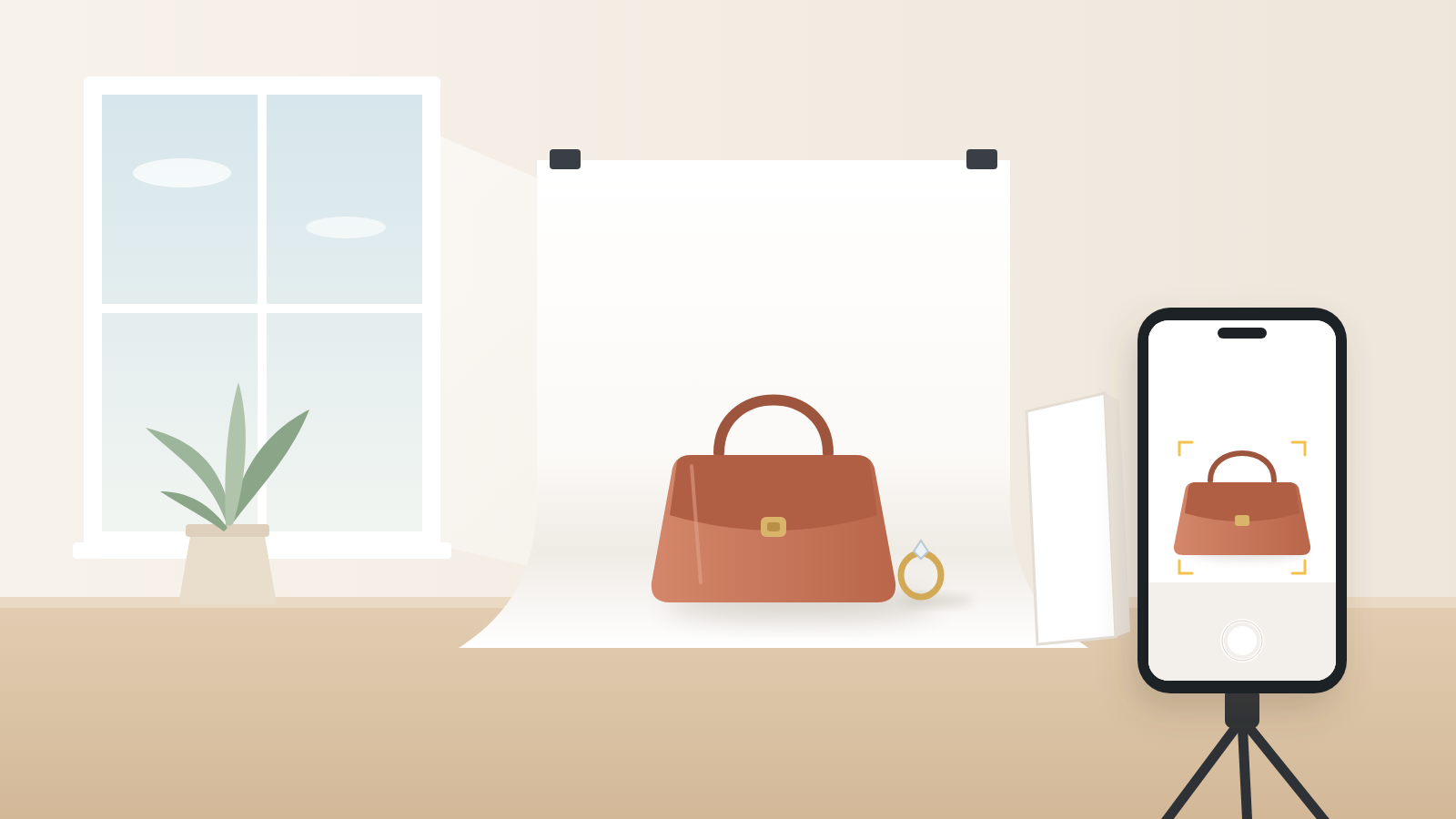
Use real photos — ideally lifestyle images, not just white-background stock shots.
Include honest reviews. Social proof matters a lot. According to Oberlo, 93% of consumers say online reviews influence their purchase decisions.
Be clear about shipping times. Don't hide it. If it takes 10–14 days, say so upfront. Surprises after checkout lead to chargebacks.
Answer the obvious questions — size, material, compatibility, what's included.
Pro tip: Write your product descriptions as if you're explaining the product to a friend. Skip the jargon. Keep it clear and honest. Try our AI product description app to help you draft better descriptions.
4. Understand Your Numbers Before You Scale
A lot of new dropshippers focus on revenue and forget about margin. That's how you end up working hard and making nothing.
Before you scale any product, make sure you know your numbers cold.
Cost Element | What to Include |
|---|---|
Product cost | What you pay the supplier per unit |
Shipping cost | What shipping costs you (if not paid by supplier) |
Platform fees | Shopify, WooCommerce, or marketplace fees |
Payment processing | Usually 2–3% per transaction (Stripe, PayPal, etc.) |
Ad spend | Your cost to acquire each customer |
Returns / chargebacks | Build in a buffer — even 5% can eat into margins |
If your margin after all costs is under 20–25%, scaling will be tough. You'll need either a higher price point, lower product costs, or a cheaper way to acquire customers.
5. Customer Service Will Make or Break You
This is where a lot of dropshippers cut corners — and pay for it later.
When something goes wrong (and it will), how you respond is what people remember. A customer who had a problem but got a fast, honest resolution will often come back. One who got ignored or got a copy-paste response usually won't.
A few basics that go a long way:
Reply to emails within 24 hours, always.
Have a clear FAQ page that covers shipping, returns, and common product questions.
Don't make customers fight for a refund. If the product was damaged or lost, just fix it.
Use a real email address — not a no-reply. It builds more trust than you'd expect.
6. Paid Ads are Expensive - Don't Rely Entirely on Ads
Paid ads — usually Meta or TikTok — are where most dropshippers start. And they can work well. But they're also expensive, and if your ad account gets flagged or costs rise, your whole business can stall overnight.
Build in other channels from the start:
SEO and blogging — Takes time, but free traffic compounds over months.
Email marketing — Your email list is an asset you actually own. Even a small list converts well with the right messaging.
Organic social — Short-form video on TikTok or Instagram Reels can drive real traffic with zero ad spend.
Influencer partnerships — Micro-influencers (10k–100k followers) often have more engaged audiences than bigger accounts and cost much less.
Worth knowing: Email marketing has one of the highest ROI of any digital channel — around $36 for every $1 spent, according to HubSpot. It's worth building that list early.
7. Test Small, Then Scale What Works
One of the biggest mistakes people make is spending big on ads before they know what converts. Test products and creatives on a small budget first. If something works at $20/day, then you can think about scaling.
The same goes for products. Don't list 200 products at once hoping something sticks. Start with 5–10 products you've actually researched, test them, and focus your energy on the ones that show real traction.
Slow and steady sounds boring — but it's how most successful dropshipping businesses are actually built.
8. Stay on Top of Trends (Without Chasing Every One)
Trending products can give your store a short-term boost. But if your entire business depends on one viral product, you're on shaky ground.
Use trend tools to stay informed:
Google Trends — Free and surprisingly useful for spotting rising interest.
Minea or Ecomhunt — Paid tools that track winning products across social platforms.
TikTok's own discover page — If a product is going viral there, it's worth paying attention.
The goal is to build a product catalog that has long-term demand but can also benefit from short-term spikes. That balance is where the money is.
A Few Final Thoughts
Dropshipping isn't a shortcut to passive income — at least not at the start. It takes real work to find the right products, build a store people trust, and figure out your marketing. But the model itself is solid if you approach it seriously.
Focus on the fundamentals: a clear niche, a reliable supplier, honest product pages, good customer service, and smart use of your budget. Get those right and you'll be ahead of most stores out there.
Ready to get started?
If you're building your first dropshipping store or looking to improve an existing one, start with the basics in this post. Pick one area to work on this week — whether it's your product pages, supplier research, or your email setup — and do it well before moving on. Small improvements, done consistently, add up fast.
Frequently Asked Questions
Share this article
Related Articles
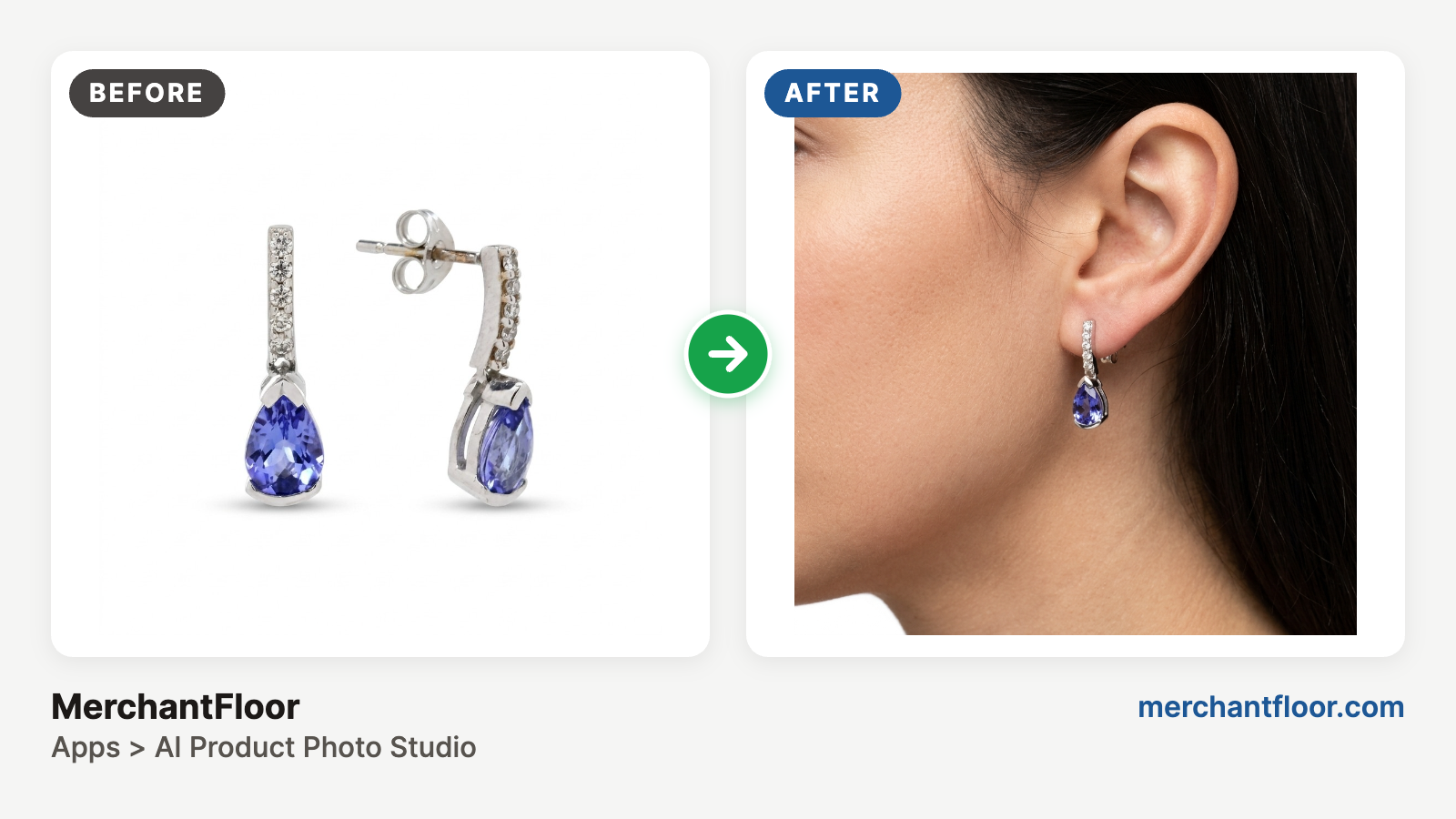
AI + Your phone: Jewelry product photos on a budget
Jewelry is the hardest product to photograph: glare, reflections, blur and dust. Learn a simple phone-plus-AI workflow for clean product shots and on-model photos without a studio.

Shopify vs. Wix vs. Squarespace: which e-commerce platform should you choose?